Summer course in presence
- Home
- Courses
- Summer course in presence
- Reditus in Urbem – Latin with the Direct Method: Short Program in Rome
Reditus in Urbem – Latin with the Direct Method: Short Program in Rome
Reditus in Urbem – Come back to the Eternal City
Three weeks in Rome
The short-program offered to The University of Melbourne
Overview
Course description
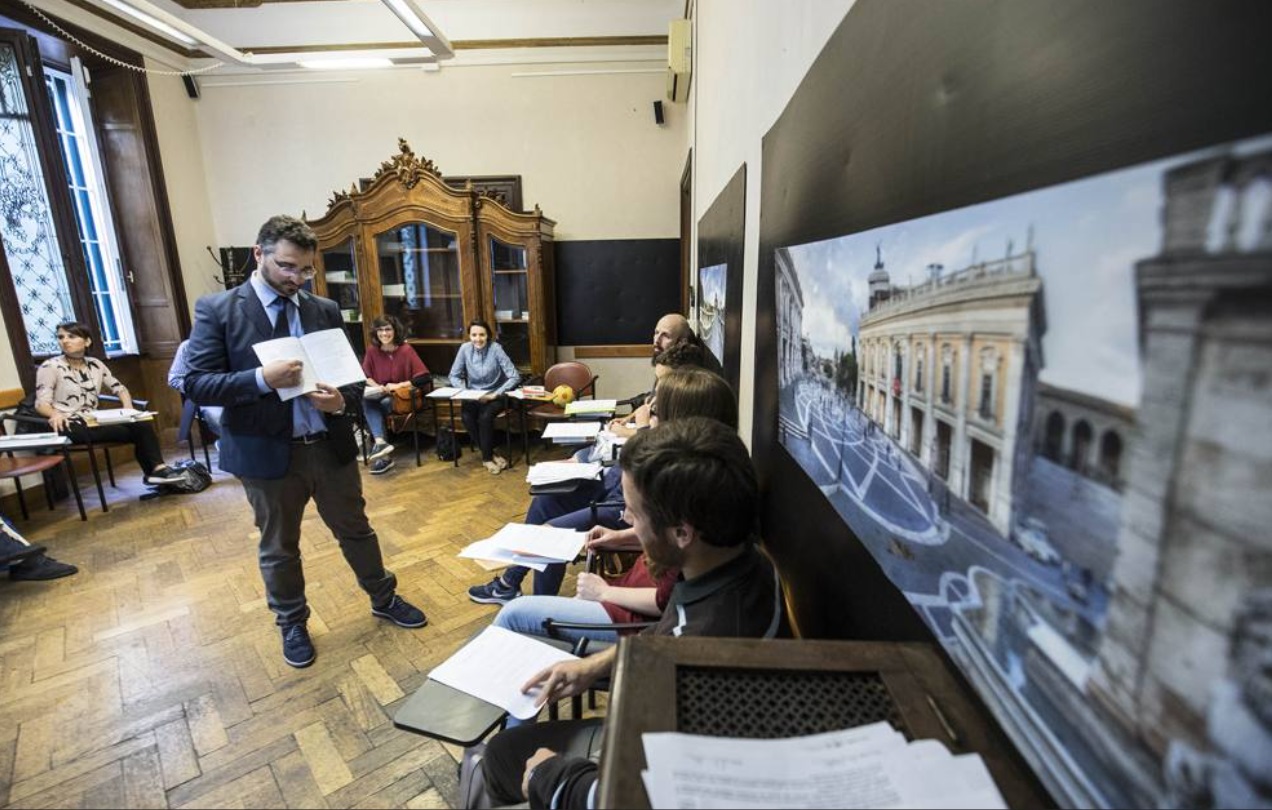


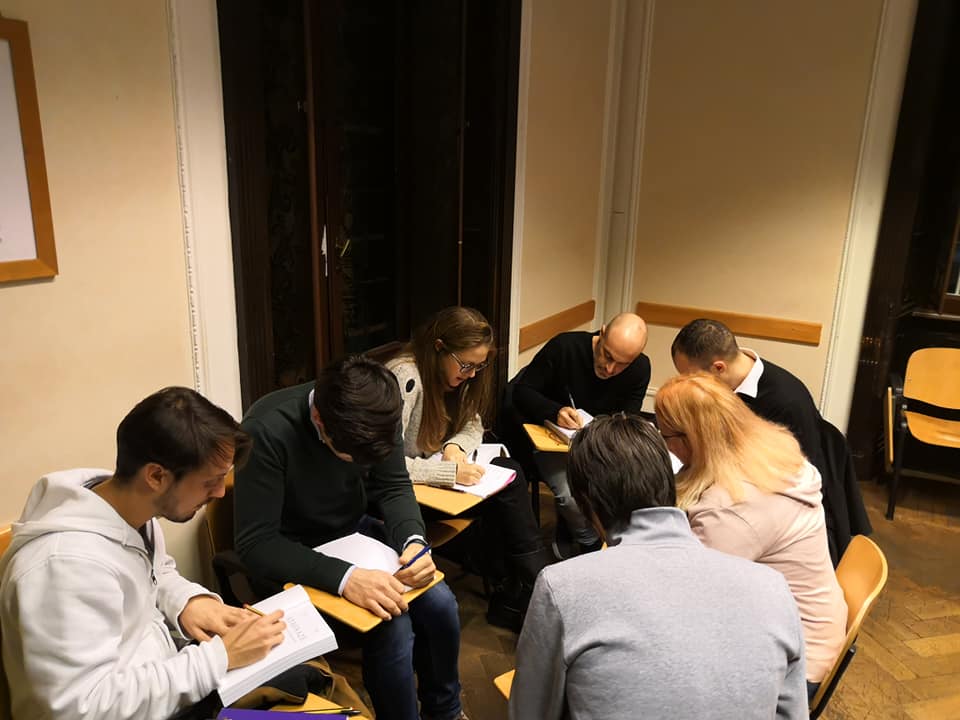
Students will study Latin grammar and vocabulary through the active use of both written and spoken Latin. In this way, they will acquire a learning technique for classical languages that contributes to the expansion of methodological diversity in the learning of Classical languages. They will experience living and studying together at the Italian Institute of Classical Studies, near the city centre of Rome.
In this shared-living context, the practice of learning Latin via the direct method will be an evocative and visceral experience. Students will work on several key aspects of Latin morphology and syntax, starting from a carefully selected text. As a result, they will learn a considerable portion of classical literary vocabulary.
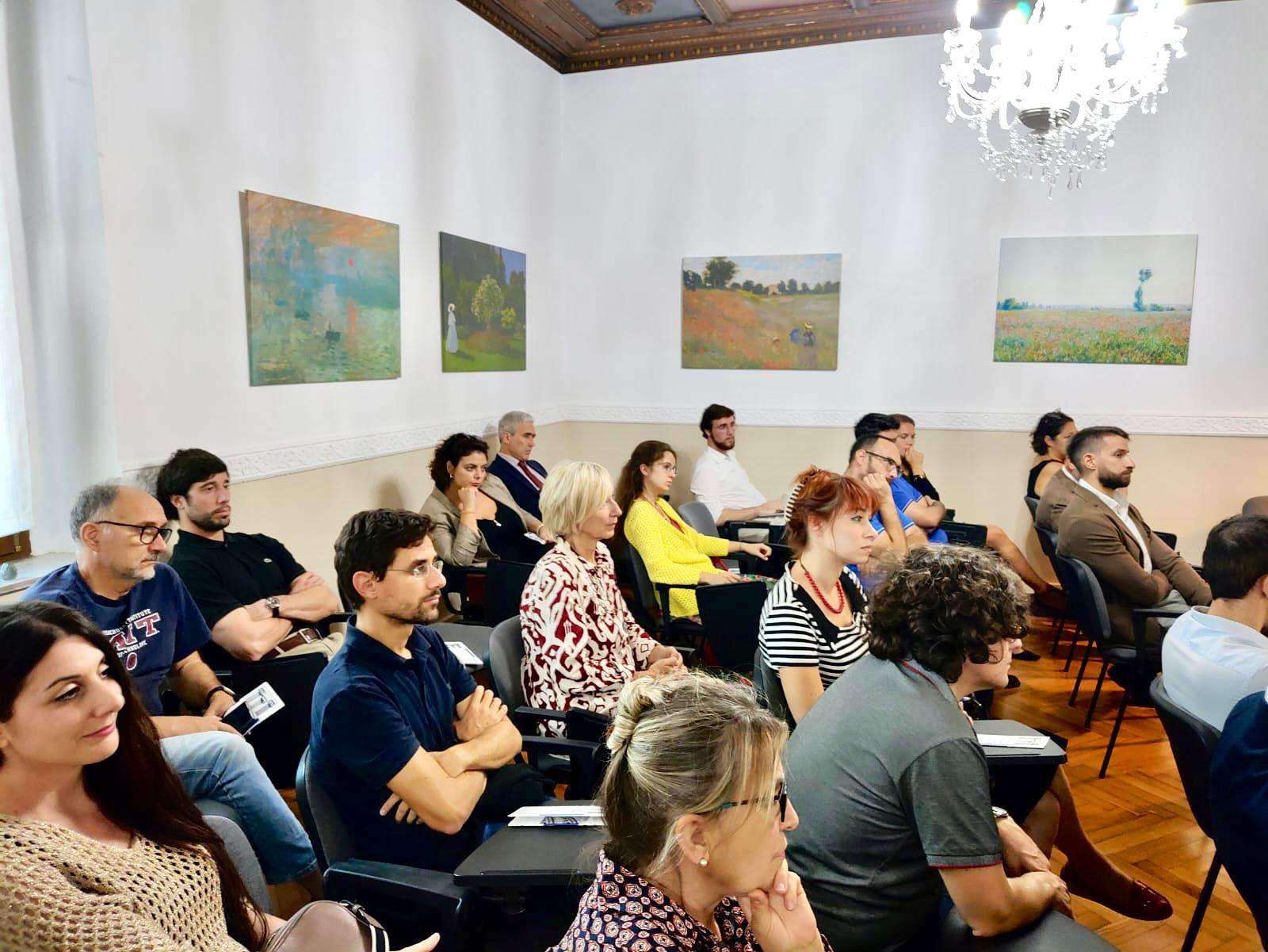
In addition, a series of lectures—held in English—will be offered on significant themes in Roman culture. These topics will be addressed through the study of essential authors in the history of classical Latin literature.
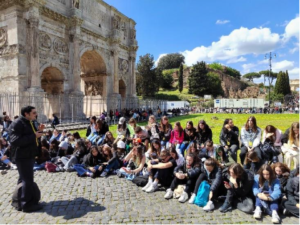
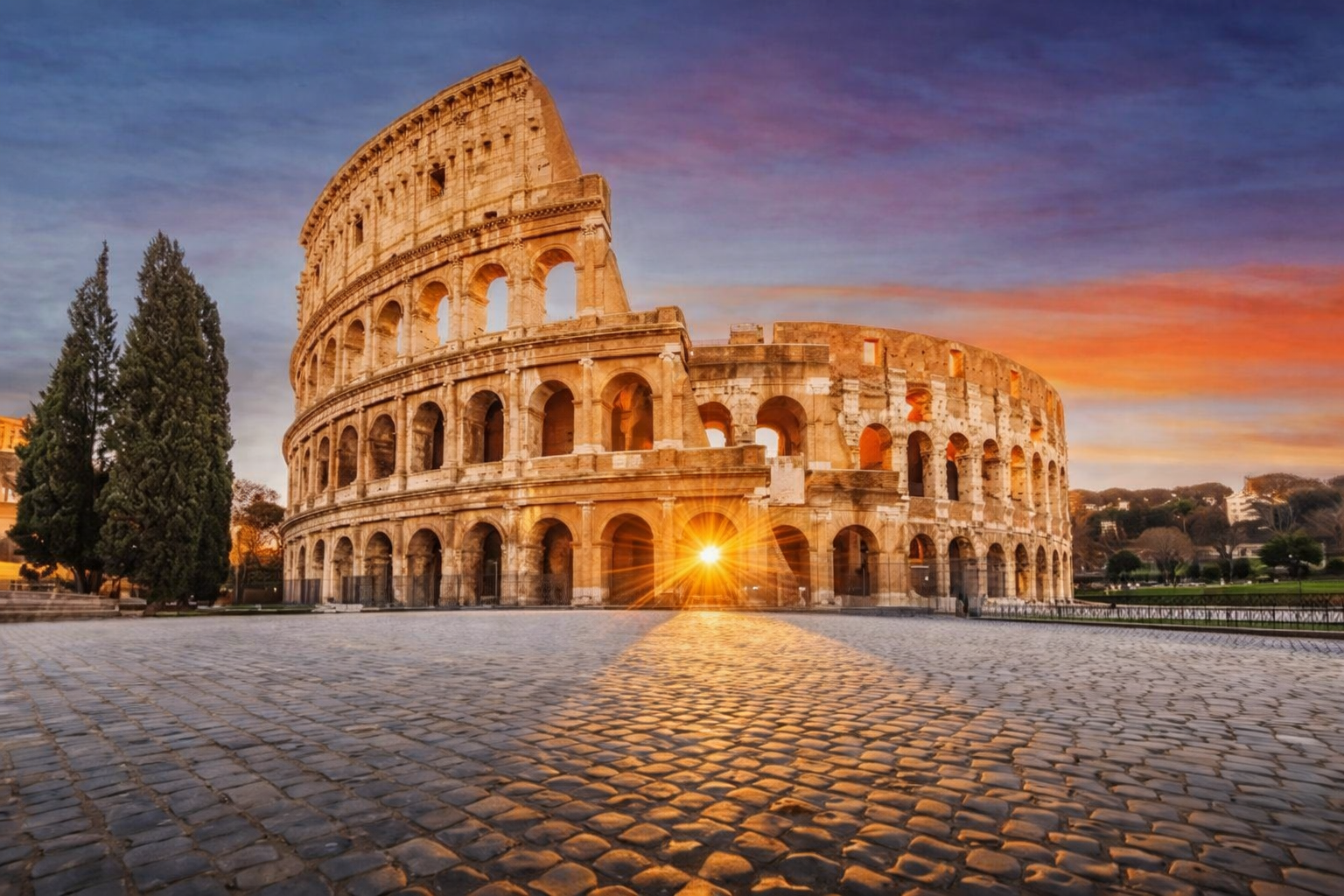
Consequently, the trip to Rome offers an extraordinary opportunity to experience direct and immediate contact with the legacy of this great civilisation. Alongside classroom lessons, excursions will be organized with an archaeological, historical and artistic focus. These outings will be conducted in English; however, there will also be opportunities to take part in guided walks conducted in Latin, reading excerpts of literature in the original language directly at the sites being visited.
IISC Method
The Italian Institute of Classical Studies has developed a new methodology which through the direct use of the language allows students to acquire the ability to read and completely understand a text in Latin or Ancient Greek in the original language, in a consistent and reliable way.
With the IISC method, grammatical rules are given in a context which allows understanding of their principles and possible applications. Learning of vocabulary takes place in a linguistic context which guarantees understanding and memorization of words.
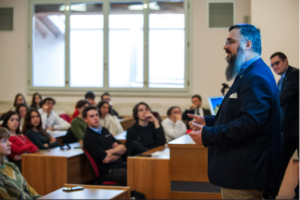
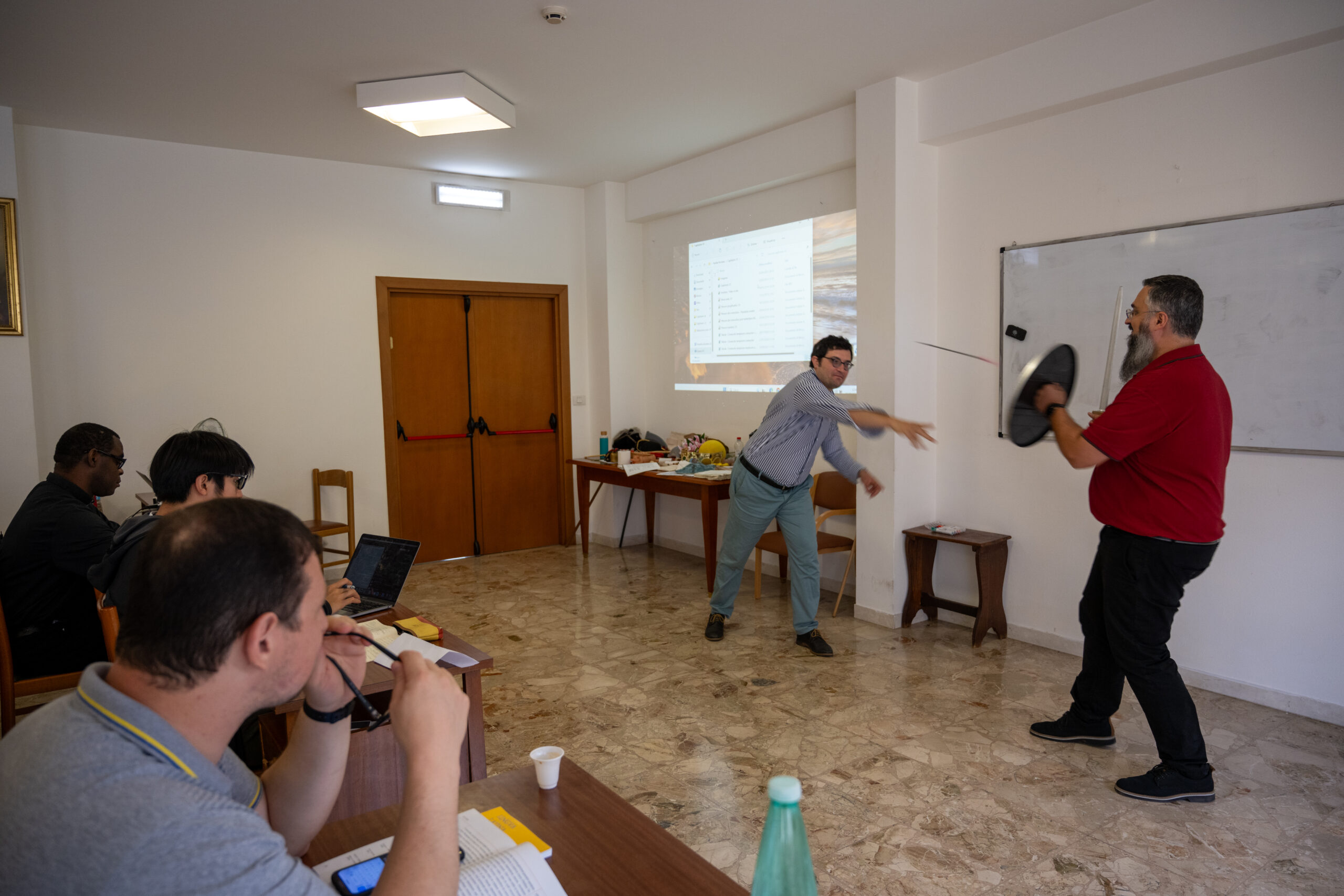
The choice to actively employ Latin and Ancient Greek in the classroom is a tool for a deeper and sounder acquisition of the language. The goal is to bring literary texts within the grasp of the students.
The active and direct use of Latin and Ancient Greek as an instrument for language acquisition is not, as many might think, a modern invention. The direct method has indeed been used for teaching Latin and Ancient Greek almost continually from Roman times to the modern age.
Now in the 21st century, our IISC professors are combining the teachings of 20th century scholars with the Masters of the Renaissance, from Comenius to Vives, from Corderio to Erasmus. They continue to passionately develop the IISC method, providing Classics scholars with the same pedagogical toolkit as their esteemed predecessors.
Didactic
Students will learn about, among other things:
• The Latin language, explored through reading, grammatical studies, and context
• Latin literature, from narrative and didactic texts to literary language and style
• The ancient Roman world, its values, institutions, and details of everyday life
• Ancient Roman culture and civilization, social practices, beliefs, and traditions
• Introduction to ancient texts in their original language
• The direct method for Latin, emphasizing immersion and active engagement
• Archaeological sites of ancient Rome, monuments, urban spaces, and artefacts
• The ancient Roman landscape, city planning, roads, and infrastructure
In addition, students will be introduced to:
• Italian cultural heritage, from antiquity to the present
• The historical continuity of Rome, from ancient city to modern capital
• Italian ways of life, past and present
• Italian traditions and seasonal customs, including festive and local practices
• Italy’s natural landscapes and cultural attractions, as shaped by history
You need to own your own copy of the textbook for this subject:
-Ørberg, Hans H. Lingua Latina per se illustrata – Pars I: Familia Romana, any edition
You will be able to purchase the textbook either online or when you arrive.
Credit and Attendance
Upon completion of the Intensive Program in Rome, students may be granted 12.5 UoM points towards their University of Melbourne degree.
Accomodation

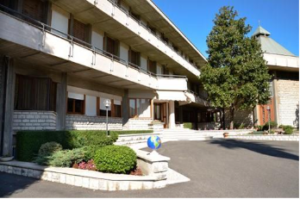
Accommodation is provided at the Guesthouse Mater Mundi, in Via Lorenzo Rocci 64, Rome. Students can access:
- single or double bedroom with private bathroom;
- study rooms;
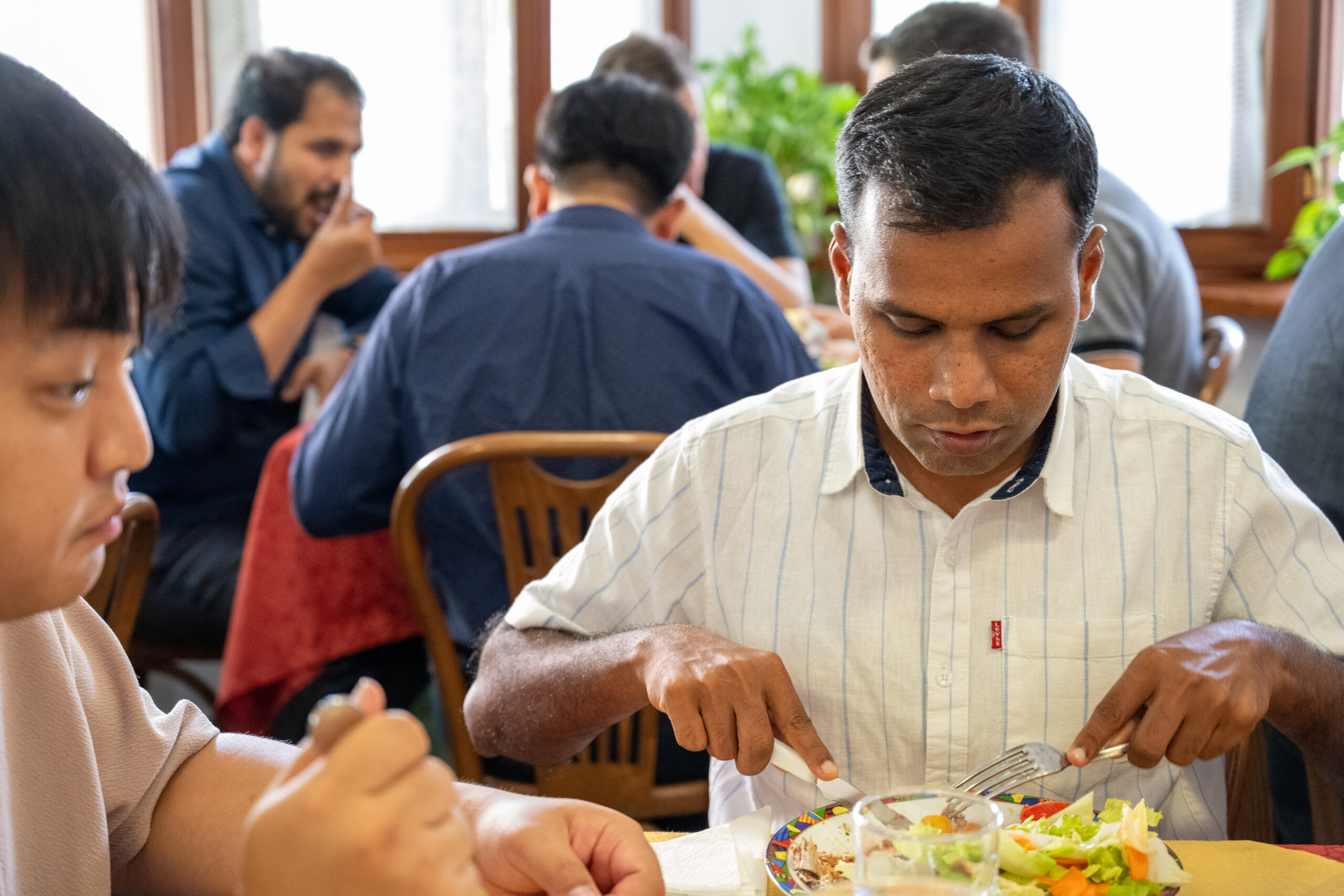
- all-inclusive pension (breakfast, lunch and dinner);
- laundry service (not included in the fees).
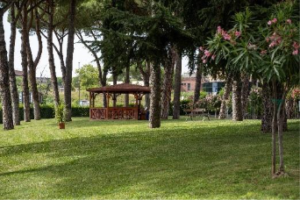
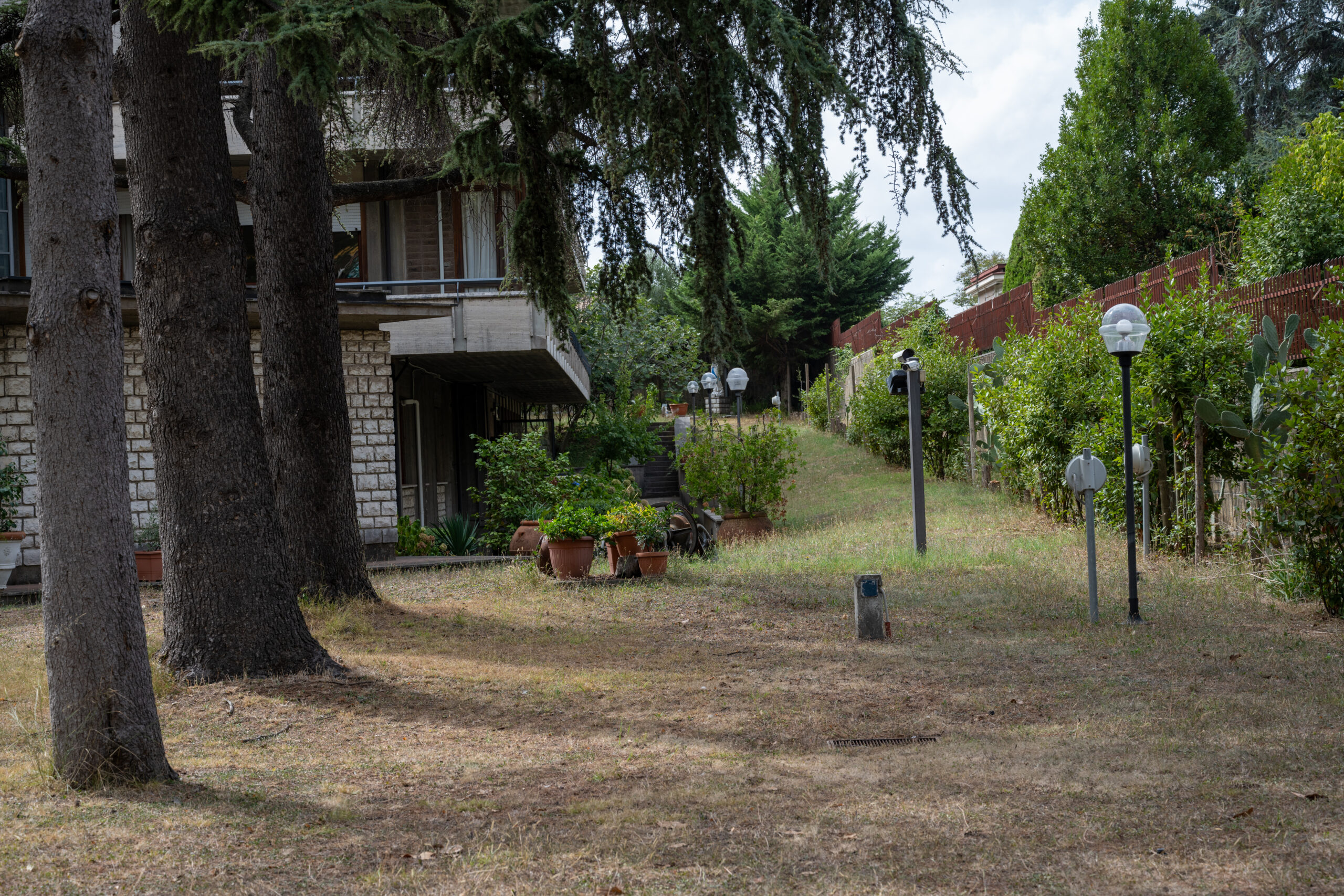
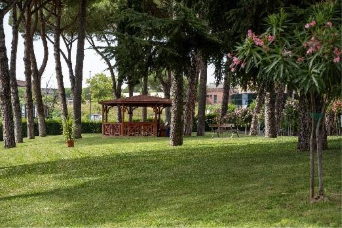
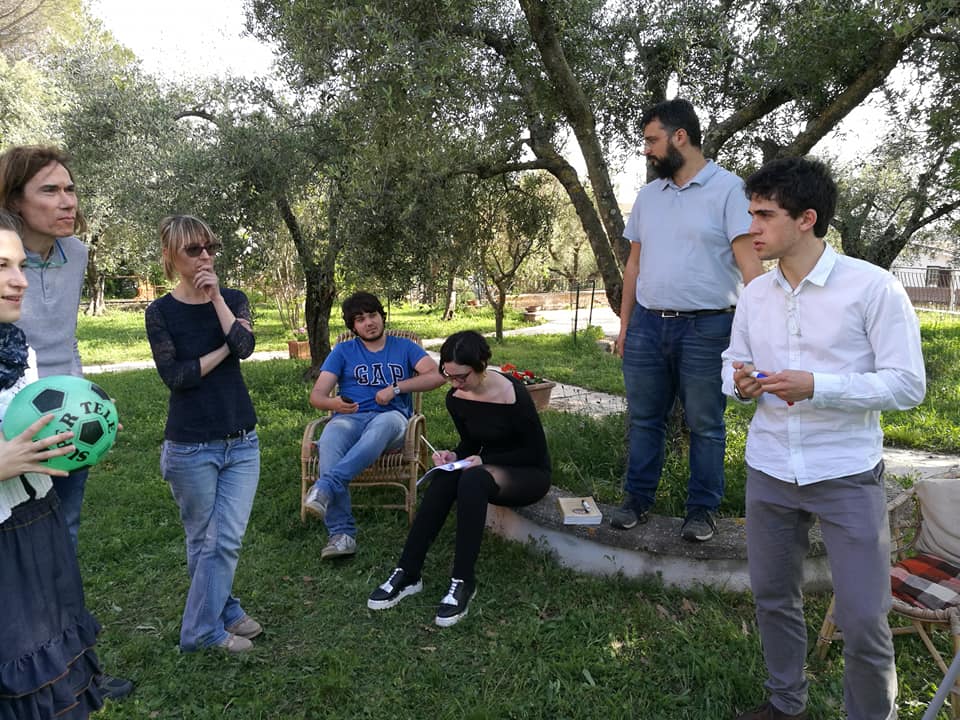
The Guesthouse has also an outside garden and is served by public transport. In the area, there are also many bars, restaurants and other services.
Those who wish to be accommodated in a single bedroom
(rather than in a double room) may send a request and pay an additional charge
of € 18 per day (€ 380 for the whole month).
Students can arrive on Sunday morning November 22 and
bedrooms will be available from 4.00 pm. The short program ends on Saturday
December 12 with a farewell dinner!
Check-out is
scheduled for Sunday December 13.
Please note that if you wish to arrive earlier and/or leave later, you need to contact the Guesthouse Mater Mundi at info@casamatermundi.it
Course fees
Total amount
€ 3.950
Deposit
Applications open on 1st July 2026.
A refundable deposit of € 250 must be paid in order to submit the application.
Final payment (and Refund Policy)
The final balance must be paid by 15 November.
– Students who complete payment by 30 September may request a 100% refund by 31 October.
– Students who complete payment between 1 October and 15 October may request a 75% refund by 31 October.
– Students who complete payment between 16 October and 31 October may request a 50% refund by 31 October.
Extra for single room = 21 (nights) x € 18 = € 380 for the whole month
Instructor
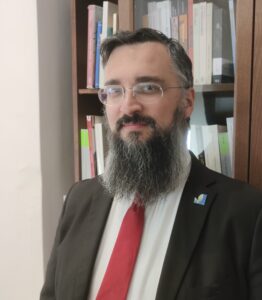
Alessandro Agus teaches Latin language at the Pontifical University of the Holy Cross in Rome. Previously, he has been a teacher of History and Philosophy in high schools.
He achieved the qualification for teaching in High School. He completed the School of Higher Studies in Latin at the Italian Institute of Classical Studies. He graduated with honors in Philosophy and History of Philosophy (La Sapienza University).
His main interests are in Roman and Medieval philosophy and he has conducted researches in Latin composition.
Founder of the Italian Institute for Classical Studies, Federico Pirrone is professor in Teaching of Classical Languages and Latin Composition and in Medieval and Renaissance Literature at the Pontificium Institutum Altioris Latinitatis of the Pontifical Salesian University in Rome. He also teaches Latin Language and Literature at the Holy Cross University in Rome.
He earned, with honors, a PhD in Teaching of Latin writing the thesis “Historical and Theoretical Principles in the application of the inductive-contextual methodology to the teaching of Latin Language” (Universidad de Navarra). He graduated with honor in Philology, Literature and History of the Ancient World (La Sapienza University).
For the IISC Editions, he has published Grammatica Latina: guida allo studio di Familia Romana, the first grammar specifically written for studying Latin with the inductive-contextual methodology. He is author of many essays and papers on the history of the teaching of Classical languages.
His main interests are in the history of the teaching of Latin and Anglo-Saxon Medieval historiography.
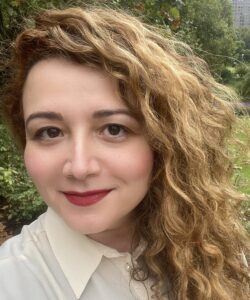
Gaetana Pellegrini teaches Latin and Ancient Greek at the University of Melbourne. With extensive experience in classical language instruction, she is focused on developing innovative pedagogical materials for teaching Classical Languages. She has accepted multiple invitations to present on the teaching of Latin and Ancient Greek both in Australia and abroad.
After completing her university studies with Honors in Italy she has continued her research in Australia, where she has explored the intersections between antiquity, myth, theatre, psychology, and music. A strong advocate for classical studies and cultural exchange, she is deeply committed to examining the ongoing impact of classical culture on contemporary society.

- Start/end dates: 2026 November, 23 - December, 11
- Teaching method: in person
- Schedule: from Monday to Friday (+ field-trips in the weekend)
- Duration: 50 hours
-
Structure:
Latin language: 32 hours
Roman Culture: 8 hours
Field Trips: 10 hours - Location: Guesthouse Mater Mundi in Via Lorenzo Rocci 64, Rome
- Credits: 12.5 UoM points
- Language Latin / English
Request information